
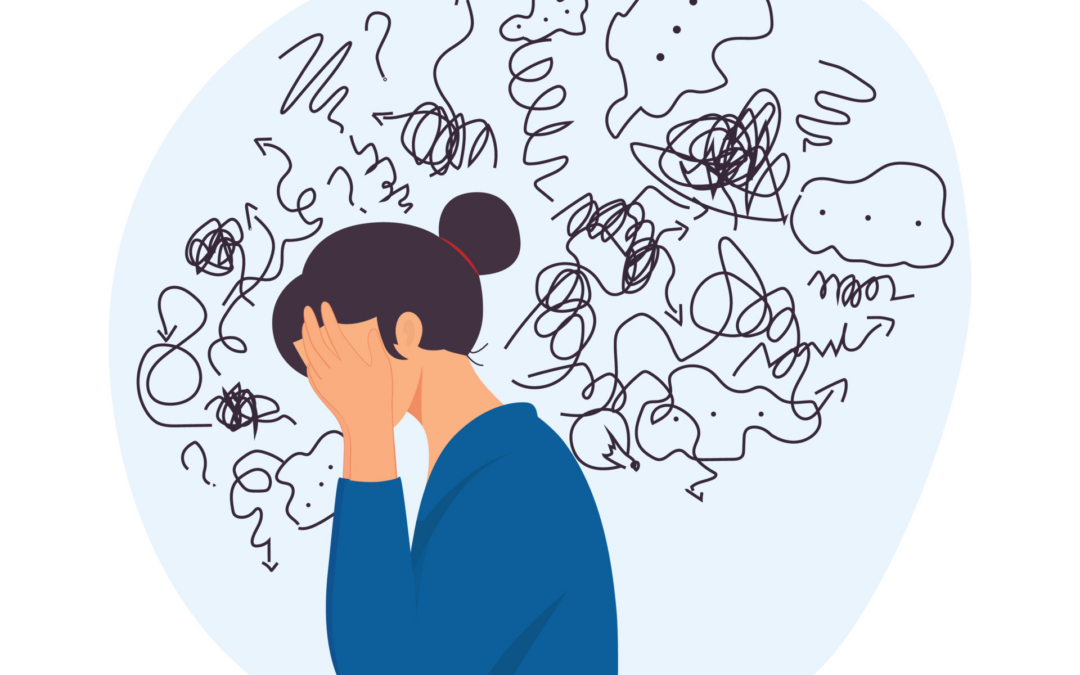
Much anxiety lives in the future (“what if…”) and much low mood lives in the past (“if only…”), so staying with the present moment takes away much of what feeds both.
Mindfulness-based stress reduction and mindfulness-based cognitive therapy, have solid evidence for reducing anxiety and preventing depressive relapse.
As we embody presence in our every day approach to daily living, as we embody presence, so you may find that anxiety becomes a thing of the past.
Here are some valuable pointers to dealing and healing from anxiety:
During an attack
Panic attacks feel frightening but are not dangerous in themselves, and they usually peak within about 10 minutes and then pass.
- Slow your exhale. Breathe in for about 4 counts and out for 6 to 8. A long exhale signals safety to the nervous system.
- Ground yourself. Name 5 things you can see, 4 you can feel, 3 you can hear, 2 you can smell and 1 you can taste.
- Don’t fight it. Telling yourself “this is a wave, it will pass” tends to shorten it, while fighting it feeds the fear.
Holistic foundations
- Sleep and movement: a regular sleep schedule and daily walking, yoga or other exercise calm the stress response.
- Stimulants: caffeine, alcohol and nicotine can all trigger or worsen attacks, so reducing them often helps quickly.
- Steady blood sugar: regular meals help, since skipped meals and sugar crashes can mimic or provoke anxiety.
- Therapy: cognitive behavioural therapy has strong evidence for panic and anxiety, and it works well alongside everything else here.
- Connection: talking to a trusted person, rather than carrying it alone, makes a real difference.
Spiritual practices
Mindfulness-based approaches, such as mindfulness-based stress reduction and mindfulness-based cognitive therapy, have solid evidence for reducing anxiety and preventing depressive relapse.
- Meditation or prayer: a few minutes daily, even just following your breath or repeating a calming word or phrase.
- Acceptance: treating anxiety as a visitor to observe rather than an enemy tends to loosen its grip.
- Nature, gratitude and journaling: time outdoors, writing down what you’re grateful for, and writing out your fears all help create distance from them.
- Meaning and trust: whether through faith, community or a sense of something larger than yourself, feeling held by something bigger can ease the sense of threat.
- Staying Present
The Gut connection
There is a well studies link between anxiety and depression and the gut-brain axis. It’s a two-way communication network between the digestive system and the brain, running through nerves, hormones and immune signals. Stress hormones can increase gut permeability, which in turn can further activate the stress response. Studies have found decreased microbial diversity in people with anxiety disorders and lower levels of bacteria that produce short-chain fatty acids, which help regulate inflammation and neurotransmitters.
Studies indicate that probiotics can help in reducing anxiety symptoms,
Diet: Plant-based and Mediterranean diets enhance microbial diversity, decrease inflammation and improve gut-brain communication. Practical steps include plenty of vegetables, legumes, whole grains and fruit, fermented foods such as yoghurt, kefir, kimchi or sauerkraut, and eliminate processed foods.
Vitamins/Supplements
- Omega-3 (EPA and DHA): A meta-analysis of 19 trials with 2,240 participants found that omega-3 treatment was associated with reduced anxiety symptoms compared to placebo. Dose seems to matter, and one summary reports benefit at at least 2,000 mg of EPA and DHA daily, but not below that.
- Lavender oil (Silexan, an oral capsule): This has the best-known trial data for generalized anxiety. One trial compared it directly with lorazepam, and a network meta-analysis found it displayed a significant effect on anxiety compared to placebo. The caveat is that the main trials were conducted in Germany and funded by the manufacturer. The usual dose is 80 mg daily.
- Ashwagandha: Meta-analyses of randomized trials report reductions in stress, anxiety and cortisol, with typical doses of 300 to 600 mg of root extract daily. One analysis noted considerable heterogeneity, meaning results varied a lot between studies.
- L-theanine: A systematic review of 9 trials found that 200 to 400 mg per day reduced short-term stress and anxiety, though longer-term studies are needed. It is found in green tea and tends to relax without sedating.
- Magnesium (glycinate or citrate): There is some evidence it may reduce subjective anxiety, particularly in people who are deficient or under chronic stress, but the research quality is mixed.
- Probiotics and a gut-friendly diet
- B vitamins: A trial of young adults found that high-dose B6 reduced self-reported anxiety
- Spirulina: The evidence is early. A 2025 randomized, placebo-controlled trial of 66 adults with mild to moderate depression gave 2 g daily for 8 weeks. It found sleep quality, sleep latency and mental health improved. Anxiety scores also dropped
- Upper Klamath Lake Blue Green Algae(Aphanizomenon flos-aquae) Many people report feeling calmer, focused and more energetic on this alga.
- B3 Severe niacin deficiency (pellagra) causes confusion, anxiety, depression and eventually psychosis. Niacinamide (nicotinamide) recommended – doesn’t cause flushing
Please always consult your professional health care provider before taking any of the supplements suggested above.